English
  • English
  • Lietuviškai
  • Русский

Quick Links

  • SS2018
  • Dresses
  • Accessories
  • Footwear
  • Sweatshirt
  • Main
  • Products
  • News
B | C | R B | C | R

B | C | R

Gruntai, Lakai, Glaistai, Skiedikliai, Kietikliai!

  • Gallery
  • About us
  • Contacts
0
B | C | R B | C | R
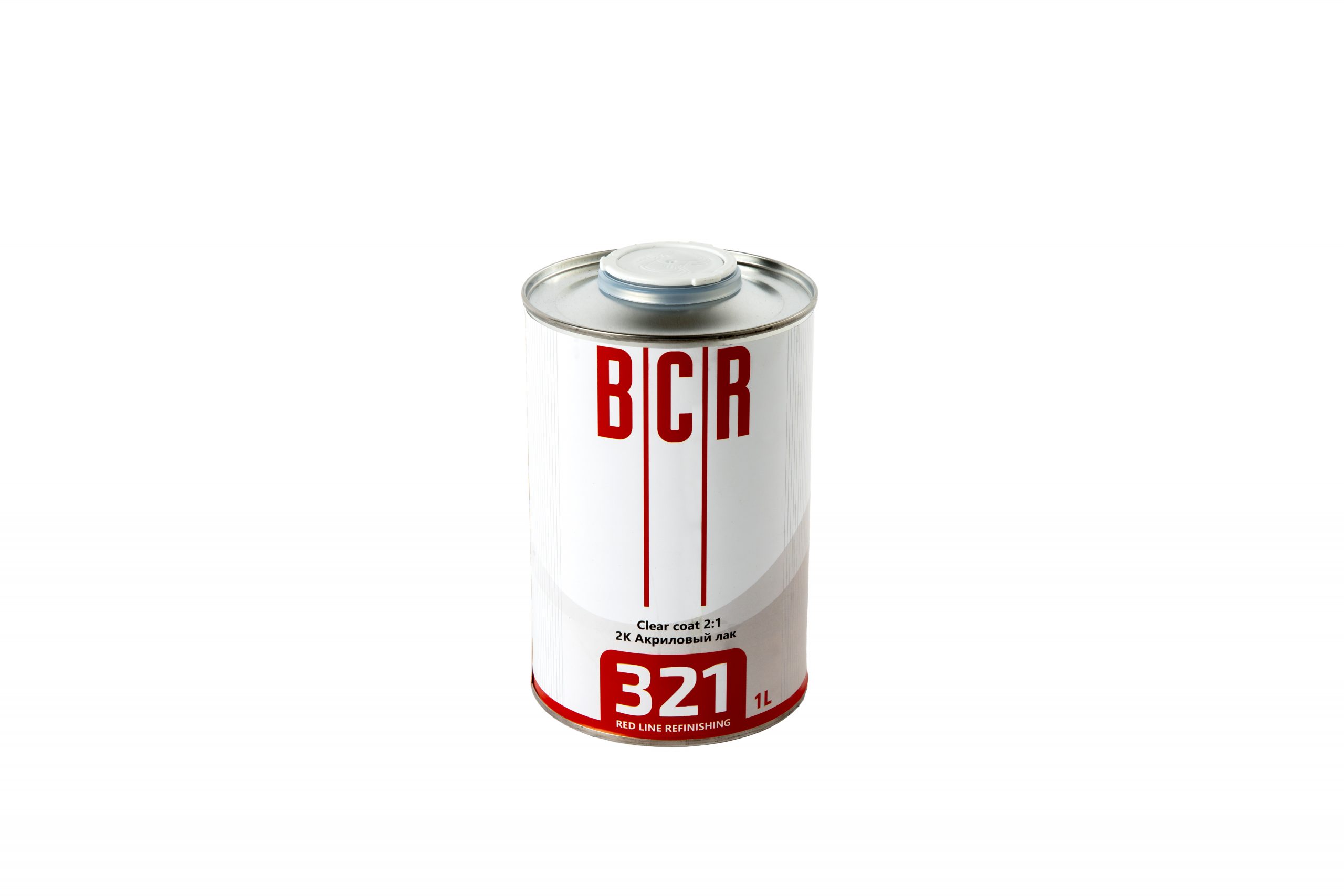
Home Full range Clear coats BCR 321 Clear coat 2:1 1,0L

BCR 321 Clear coat 2:1 1,0L

Colorless two-component acrylic clear coat with medium solids content, intended for complete and partial repair of painted surfaces.

Advantages:

  • Economic and easy to use;
  • Easy to apply ;
  • Good gloss for long time;
  • Quick and easy to polish;
  • No need to dilute ;
  • Non yellowing ;
  • Compatible with most base coats on the market ;

Product id: BRC321

Technical information

TDS

SDS

Complementary products:

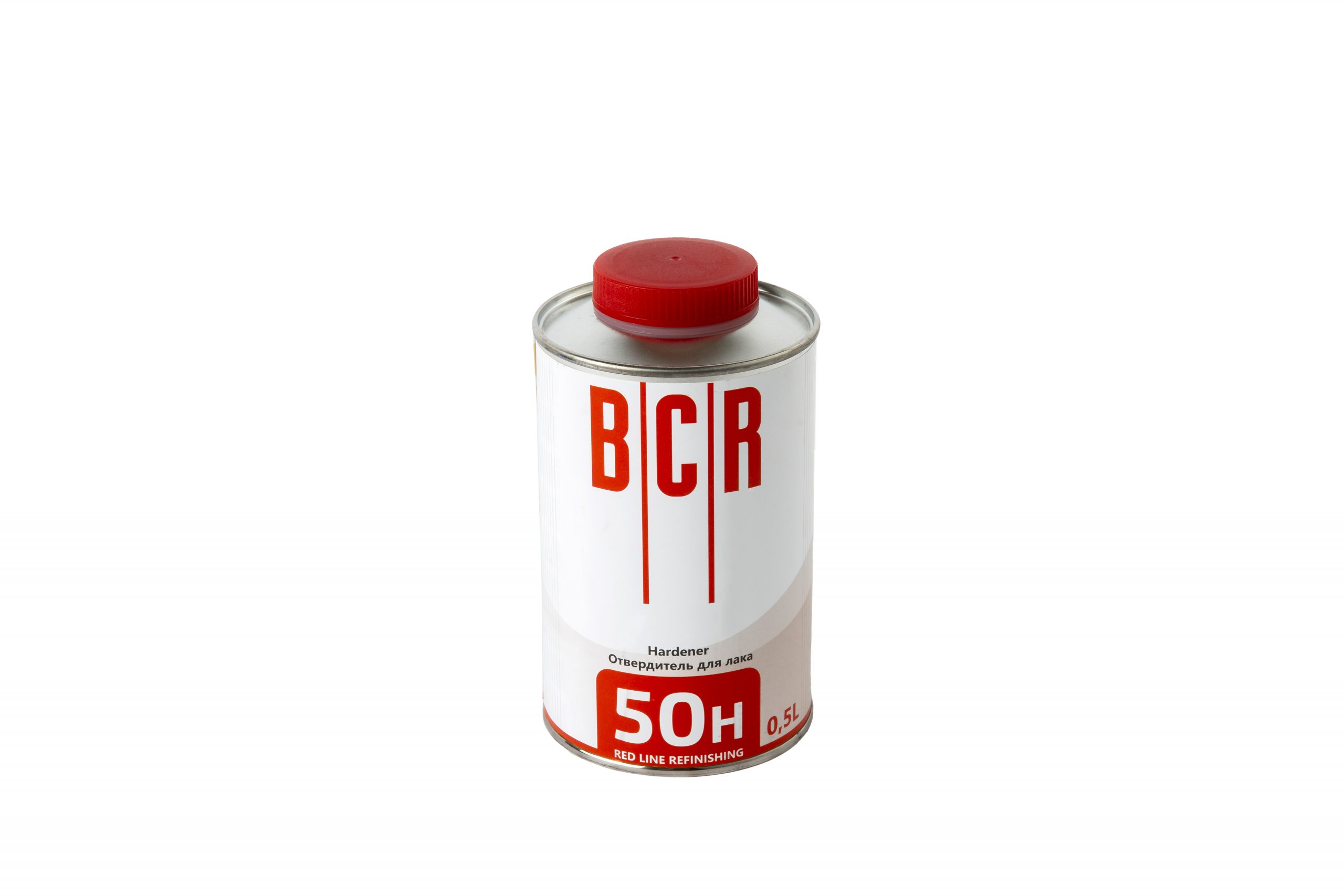
BCR 30H

SKUEN-321 CategoryClear coats
  • Reviews (0)
Close

Reviews (0)

Reviews

There are no reviews yet.

Be the first to review “BCR 321 Clear coat 2:1 1,0L” Cancel reply

Your email address will not be published. Required fields are marked *

Cancel

Related products

  • BCR 323 HS Clear coat 2:1 1,0L

    Read more

©2021 B|C|R.All rights reserved
With 💜 MINGO
Close
B | C | R B | C | R
  • – English
  • About us
  • BCR assortment
  • Cart
  • Checkout
  • Contacts
  • Gallery
  • My account
  • News
  • Shop
  • Main
  • Products
  • News
  • Gallery
  • About us
  • Contacts
  • Lietuviškai
  • English
  • Русский
Close

Sign in

Lost your password?

Close

Cart (0)

Cart is empty No products in the cart.

B | C | R B | C | R
  • Main
  • Products
  • News
  • Gallery
  • About us
  • Contacts
  • Lietuviškai
  • English
  • Русский
  • Main
  • Products
  • News
  • Gallery
  • About us
  • Contacts
  • Lietuviškai
  • English
  • Русский
Close
Examples are most effective when they clarify an abstract idea without replacing the explanation itself. In teaching, a carefully chosen case should show the governing principle, reveal the steps behind a result, and remain simple enough for readers to examine. A short test example in a mathematics lesson can expose where an equation changes under new assumptions, making the distinction between a rule and its application visible. The strongest illustrations also acknowledge limits, since one case cannot represent every culture, industry, audience, or operating condition. Comparisons add further value: placing a typical case beside an edge case shows which features are essential and which depend on context. Editors and educators should therefore select examples for accuracy, relevance, and explanatory reach rather than novelty alone, then update them when evidence, technology, or public understanding changes.